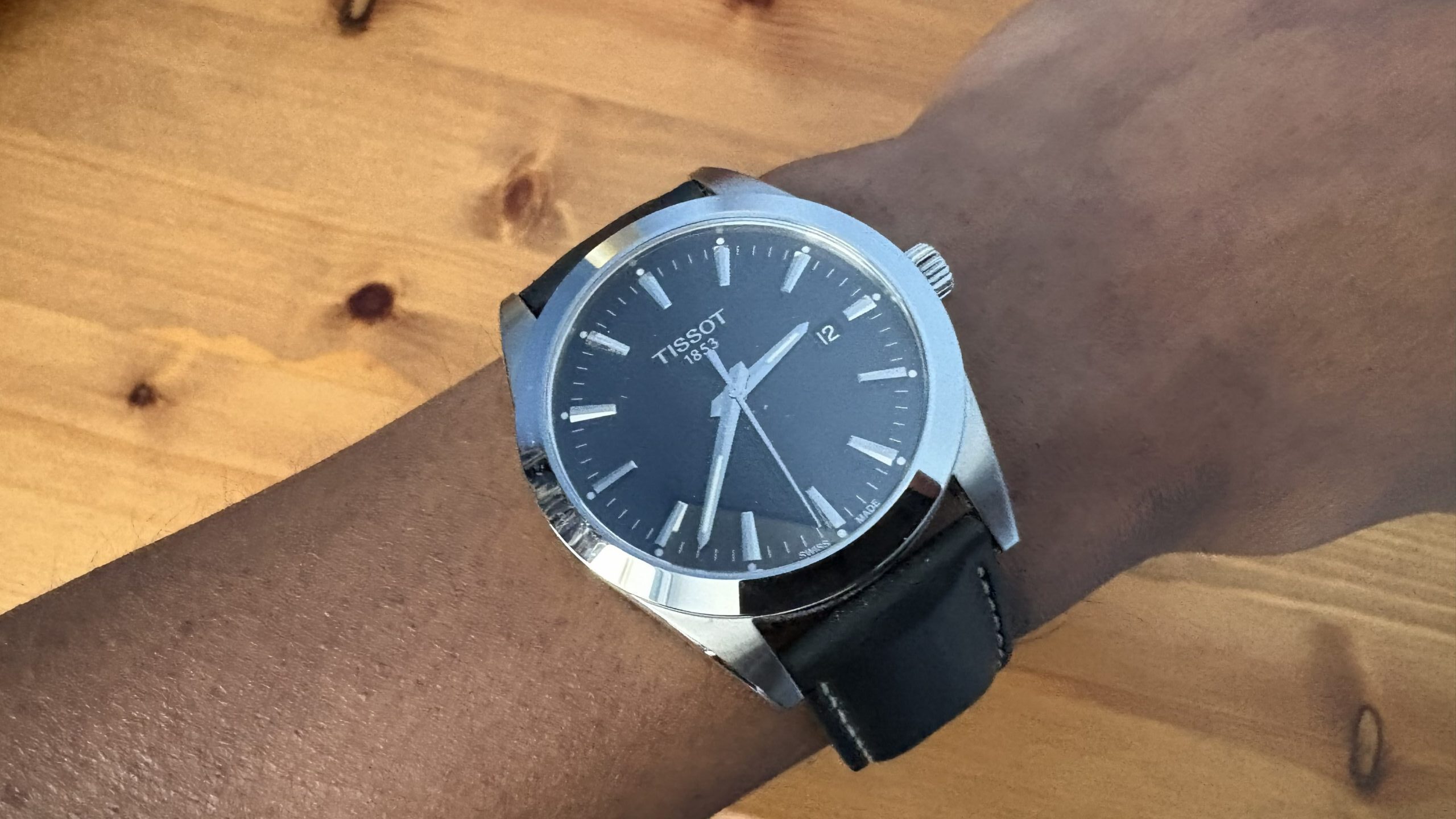
Choosing the right watch can be challenging, especially when it comes to size. Many of us are drawn to a particular watch because of its design, colour, or brand, only to find that it does not quite look right once it is on the wrist.
The truth is that finding the right watch size can make all the difference. A well-sized watch feels comfortable, looks balanced, and becomes a piece you will want to wear regularly.
In this guide, I will explain how to find the best watch size for your wrist and share some practical tips I have learned through my own watch journey.
Why Watch Size Matters
A watch is one of the few accessories we wear every day, so comfort and appearance are equally important.
A watch that is too large can feel awkward, look oversized, and may even overhang your wrist. On the other hand, a watch that is too small might not provide the wrist presence you are looking for.
While watch trends come and go, the best size is ultimately the one that feels right on your wrist.
Step 1: Measure Your Wrist
Before looking at watch specifications, it is worth measuring your wrist.
Using a flexible tape measure, wrap it around your wrist just above the wrist bone. Make a note of the measurement in inches or centimetres.
As a general guide:
- Under 6.5 inches – Small wrist
- 6.5 to 7.25 inches – Medium wrist
- Over 7.25 inches – Larger wrist
Knowing your wrist size provides a useful starting point when shopping for watches online.
Recommended Watch Sizes
Although personal preference always plays a role, these ranges work well for most people.
| Wrist Size | Recommended Case Size |
| Under 6.5 inches | 34mm – 38mm |
| 6.5 – 7.25 inches | 38mm – 41mm |
| Over 7.25 inches | 40mm – 44mm |
Remember that these are guidelines rather than strict rules. Some watches wear larger or smaller than their case diameter suggests.
 Don’t Focus Only on Case Diameter
One of the most common mistakes watch buyers make is focusing solely on the case diameter.
While a watch might be listed as 40mm, there are other measurements that significantly affect how it wears.
The most important of these is the lug-to-lug measurement.
Why Lug-to-Lug Matters
The lug-to-lug measurement is the distance from the tip of the top lug to the tip of the bottom lug.
This measurement often has a greater impact on wearability than the case diameter itself.
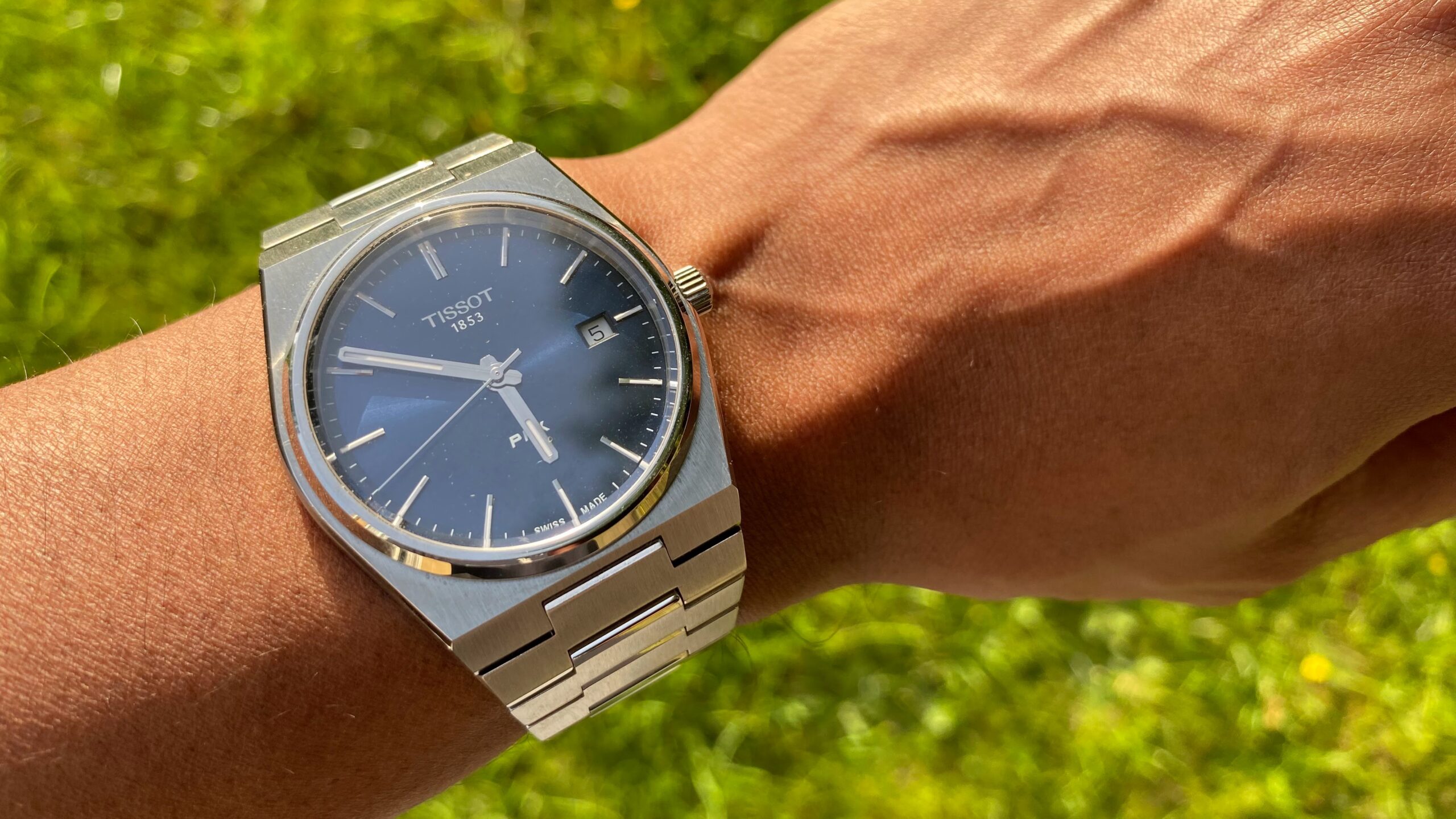
For example, a 40mm watch with a compact 46mm lug-to-lug may wear comfortably on a smaller wrist. Meanwhile, a 38mm watch with a long 50mm lug-to-lug measurement may feel much larger.
As a general rule, you want the lugs to sit comfortably within the width of your wrist without extending beyond it.
 Watch Thickness Is Important Too
Another factor that is often overlooked is case thickness.
A thinner watch tends to sit closer to the wrist and can feel more comfortable throughout the day. This is one reason why dress watches often wear smaller than their stated dimensions.
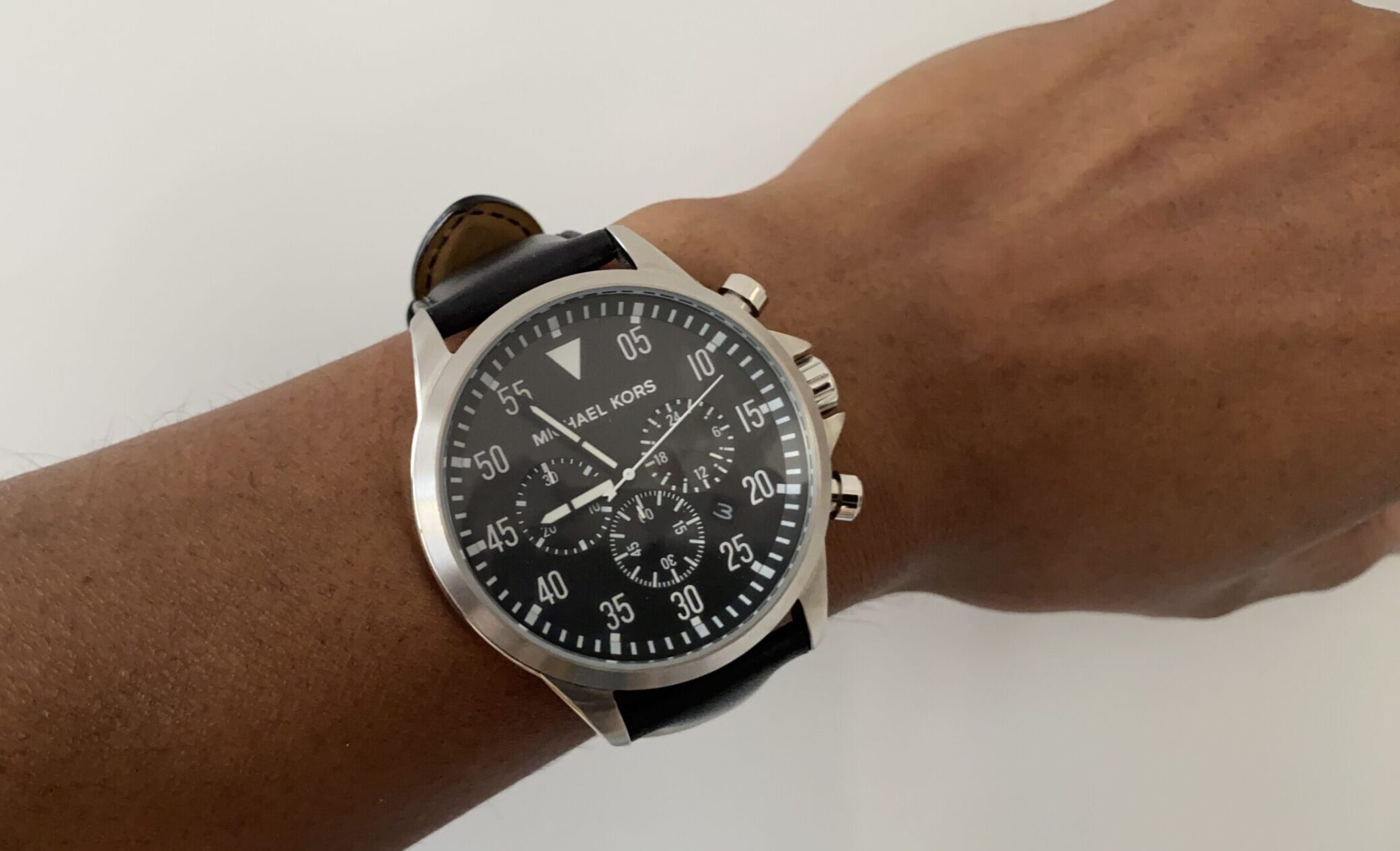
Divers and chronographs are typically thicker, which can make them feel larger and heavier on the wrist.
If you have a smaller wrist, a thinner watch can often provide a more balanced look.
My Experience with Watch Sizing
Over time, I have found that comfort is just as important as appearance.
I have discovered that watches in the 37mm to 39mm range tend to suit my wrist particularly well, but I have also worn larger watches that felt perfectly comfortable thanks to their compact lug-to-lug measurements.
This highlights an important point: numbers only tell part of the story. The design of the case, bezel, lugs and bracelet all contribute to how a watch wears.
That is why it is always worth trying on the watch before you make the decision to buy especially online.
 Common Watch Sizing Mistakes
Here are a few mistakes that many watch enthusiasts make when choosing a watch:
- Focusing only on case diameter.
- Ignoring lug-to-lug measurements.
- Following trends rather than comfort.
- Assuming bigger watches are better.
- Not considering case thickness.
Avoiding these mistakes can help you choose a watch you will genuinely enjoy wearing.
Key Takeaways
- Use case diameter as a starting point, not the whole answer.
- Check lug-to-lug measurements carefully, as they often affect fit more than case size.
- Consider case thickness, especially if you have a smaller wrist or prefer a balanced look.
- Treat sizing charts as guidelines rather than strict rules.
- If possible, try the watch on before buying, particularly when shopping online.
Final Thoughts
There is no universally perfect watch size.
The best watch size for your wrist is the one that feels comfortable, looks balanced, and makes you want to wear the watch every day.
Case diameter is important, but it is only one piece of the puzzle. Paying attention to lug-to-lug measurements, thickness, and overall design will help you make a more informed decision.
At the end of the day, the above is just a guide but wear what you like and feels comfortable and enjoy your watch.
Do you have a smaller wrist and still not sure the best option for you, read this article on six watches perfiect for smaller wrists Six Watches Perfect for Smaller Wrists
What do you think is the perfect size watch? Leave your comments below.
See you in the next one.

